
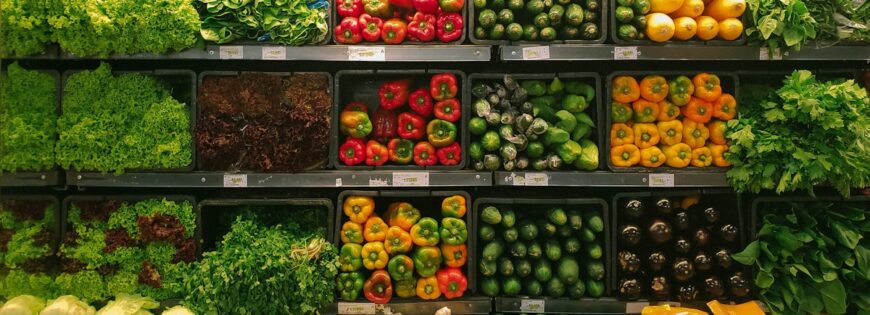
Food waste represents a significant cost burden for food service operations, with produce accounting for approximately 20-25% of kitchen waste. Implementing strategic management practices can dramatically reduce losses while improving profitability.
Proper Storage Protocols
Temperature-controlled storage is critical for extending produce shelf life. Leafy greens require 0-2°C with high humidity, while tomatoes and cucumbers perform better at 10-12°C. Investing in proper refrigeration zones pays dividends through reduced spoilage.
First-In-First-Out Systems
Implementing rigorous FIFO inventory management ensures older produce gets used before newer deliveries. Color-coded labeling systems and digital inventory tracking help kitchen staff maintain proper rotation, reducing the risk of forgotten items deteriorating in storage.
Supplier Coordination
Working closely with wholesale suppliers to adjust delivery frequencies based on actual consumption patterns prevents over-ordering. Many wholesale produce suppliers offer flexible ordering systems that allow daily or bi-weekly deliveries aligned with your operation’s needs.
Staff Training Impact
Kitchen teams trained in proper handling techniques can reduce produce waste by 15-20%. Training should cover correct washing methods, appropriate cutting techniques to maximize yield, and creative ways to utilize trim and off-cuts.
Preparation Timing
Advance preparation should balance efficiency with freshness. While some vegetables can be prepped days ahead, others deteriorate quickly once cut. Understanding these nuances prevents unnecessary waste from over-ambitious prep schedules.
Secondary Use Strategies
Establish protocols for downgrading produce that’s past prime presentation but still food-safe. Slightly soft tomatoes work perfectly for sauces, while tired greens can become soups or staff meals.
By implementing these food waste reduction strategies, commercial kitchens can improve both environmental impact and bottom-line profitability.